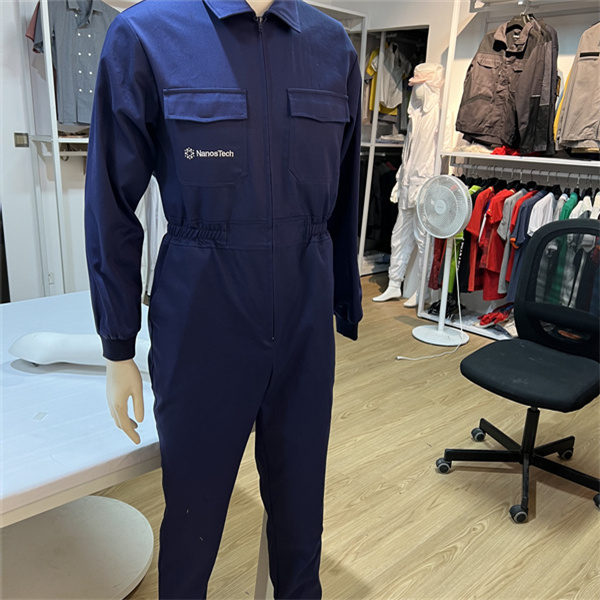
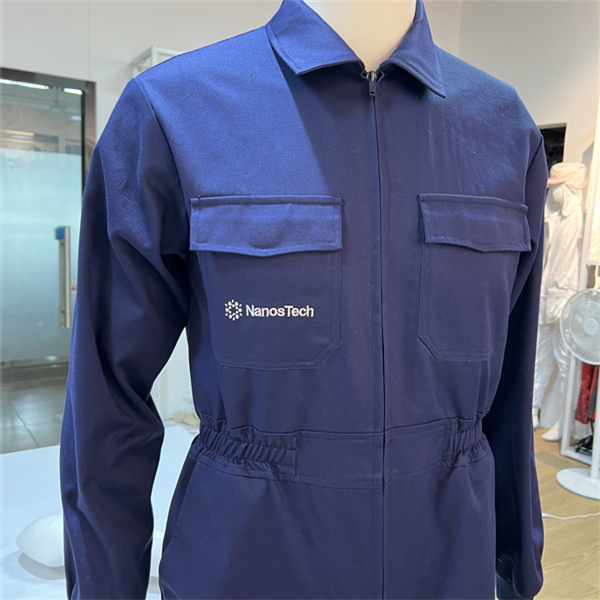
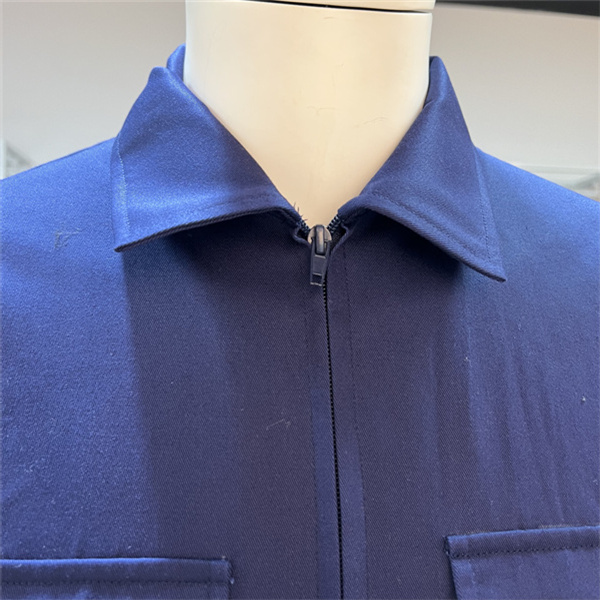
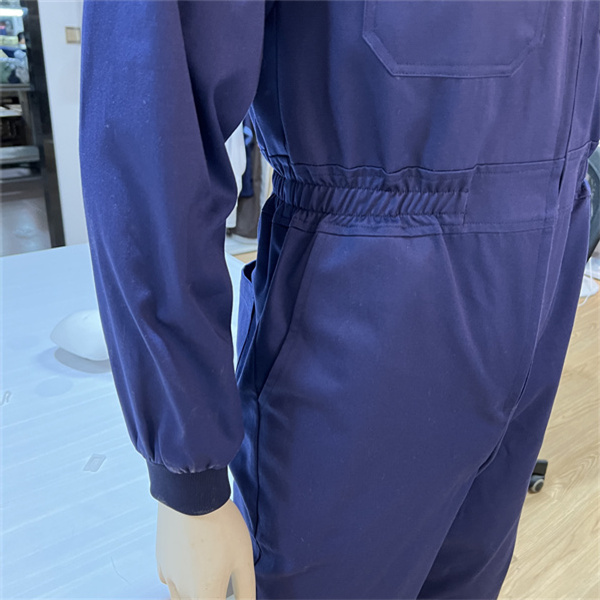
In various laboratories, uniforms serve as crucial protective gear and visual identifiers for researchers. They safeguard personnel safety, maintain professional order, and uphold hygiene standards.


MATERIAL CHARACTERISTICS
Natural Fiber Materials
Cotton:Soft, absorbent, and gentle on the skin. However, it has weak abrasion resistance and may fade or be damaged when in contact with certain chemical reagents.
Synthetic Fiber Materials
Polyester:High in strength, abrasion - resistant, and wrinkle - resistant. But it has poor moisture absorption, which may cause a stuffy feeling when worn.
Nylon:Excellent in abrasion and chemical corrosion resistance. Its breathability is average, and it may release harmful gases at high temperatures.
FUNCTIONAL
Anti - static Materials:Contain conductive fibers that can dissipate static electricity. They are used in electrostatic - sensitive laboratories to prevent fires and equipment damage.
Radiation - proof Materials:Blended with metal and ordinary fibers, they can shield electromagnetic radiation and protect workers in radiation - prone environments.
STYLE
Regular Workwear Styles
Long - sleeved Lab Coats:Commonly seen, reaching the knees, with pockets, loose - fitting. The white appearance looks professional and clean, and it easily shows stains, prompting cleaning.
Short - sleeved Work Clothes:Reaching the hips, lightweight and flexible, suitable for experimental scenarios involving frequent movement or strenuous activities.
Special Protective Styles
Full - body Protective Suits:Used in high - risk laboratories, with a one - piece design that covers the entire body. The material has strong sealing and protective properties.
Apron - style Protective Garments:Protect the front of the body, used to prevent liquid splashes. Made of acid - and alkali - resistant materials, with adjustable shoulder straps and belts.
FEATURE
Protective Functions
Chemical Protection:Materials are specially treated or selected for chemical corrosion resistance to block chemical reagent erosion.
Biological Protection:Use antibacterial and antiviral fabrics, with an emphasis on tightness to prevent microbial spread.
Physical Protection:For mechanical and high - temperature hazards, materials like thickened, abrasion - resistant or heat - resistant ones are used.
Easy Cleaning and Maintenance
Machine - washability:Most can be machine - washed and still maintain protective performance and shape stability after multiple washes.
Stain Resistance:Treated to resist stains, making them less likely to adhere and easier to clean.
Identification and Recognition Functions
Color Coding:Different colors distinguish laboratory areas or personnel responsibilities.
Badges and Identifiers:Wearing badges and name tags facilitates communication and identification.
CLEANING AND MAINTENANCE
Daily Cleaning
Washing Frequency:Wash daily in high - risk laboratories, and every 1 - 2 days in general environments.
Washing Method:Clean according to material and instructions. Special protective uniforms should be washed as per manufacturer's guidance.
Special Stain Treatment
Chemical Stains:Rinse with plenty of water first, then choose appropriate cleaners while taking precautions.
Biological Stains:Disinfect first, then wash regularly, controlling time and temperature.
Storage Precautions
Hanging Storage:Maintain shape, reduce wrinkles, and promote ventilation. Pay attention to hanger selection.
Classified Storage:Separate different types of uniforms, and keep storage cabinets dry and well - ventilated.